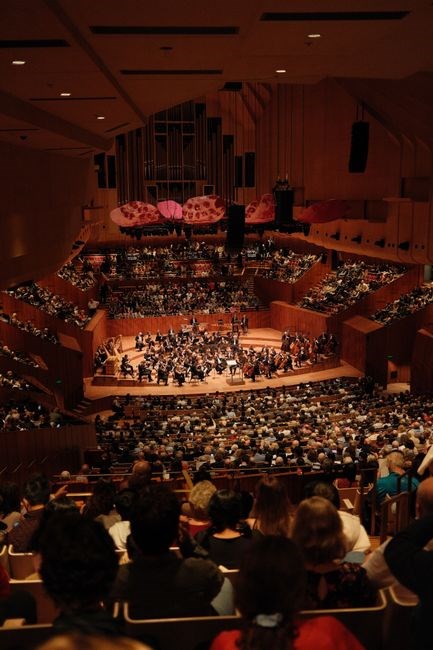
Beethoven’s Ninth Symphony: An Overview
Beethoven’s Ninth Symphony‚ Op. 125‚ premiered in 1824. It blends four movements—Allegro ma non troppo‚ Scherzo‚ Adagio‚ and a jubilant finale featuring “Ode to Joy.” The score is public domain‚ widely shared as PDF on MuseScore and IMSLP. Its orchestration includes brass‚ percussion or choir.
Historical Context and Composition Date
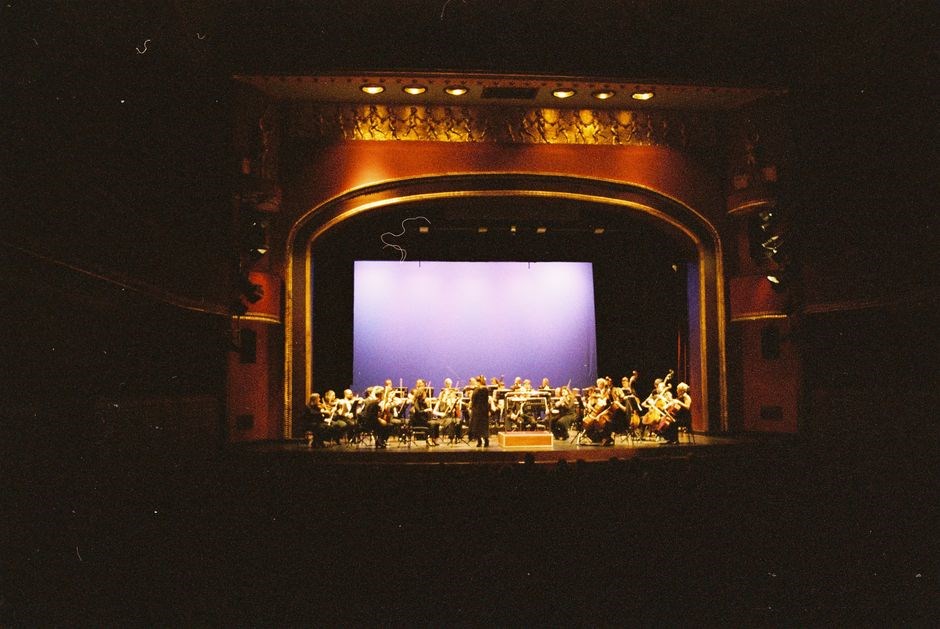
Composed between 1822 and 1824‚ Beethoven’s Ninth Symphony emerged during a period of personal hardship and artistic triumph. After the death of his beloved patron‚ Prince Karl von Walsee‚ the composer retreated to his estate in Bonn‚ where he began drafting the first movement’s dramatic themes. By 1823‚ he had completed the scherzo and the adagio‚ both reflecting a deepening of his expressive range. The final movement‚ inspired by Friedrich Schiller’s poem “An die Freude‚” was conceived as a universal hymn of brotherhood‚ a bold departure from conventional symphonic finales. Beethoven’s choice to include vocal soloists and a mixed choir in the last movement was revolutionary‚ expanding the symphonic form into a grand choral‑orchestral statement. The premiere in Vienna on May 7‚ 1824‚ attended by Emperor Francis I‚ was a landmark event‚ solidifying the work’s place in the canon. Today‚ the score is freely available as PDF on platforms such as MuseScore and IMSLP‚ allowing performers worldwide to explore its rich textures and profound humanity. Its enduring influence is evident in countless recordings‚ film scores‚ and educational curricula‚ with musicians and scholars continually discovering new interpretive possibilities that honor Beethoven’s original vision while adapting to contemporary performance practices. Moreover‚ the symphony’s structure has inspired artists to play with form‚ harmony‚ and the integration of vocal elements into orchestral works.
Structure of the Four Movements
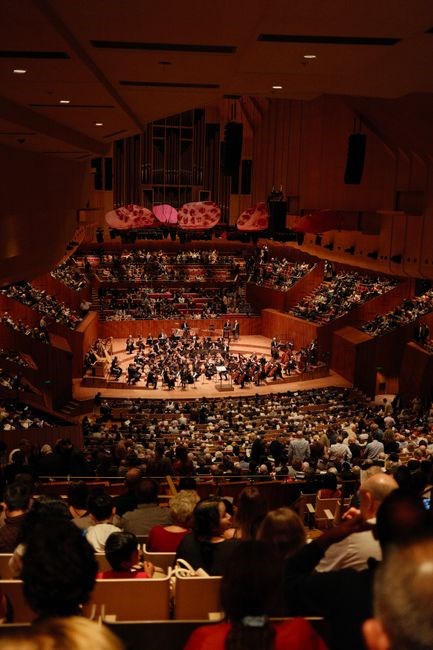
The Ninth Symphony unfolds in four distinct movements‚ each marked by contrasting tempos and moods. The first movement‚ Allegro ma non troppo‚ opens with a stormy sonata‑form theme that evolves into a lyrical second subject‚ culminating in a dramatic coda that reaffirms the opening material. The second movement‚ a Scherzo marked Molto vivace‚ presents a lively‚ dance‑like character with syncopated rhythms and playful interplay between strings and winds. The third movement‚ Adagio molto e cantabile‚ offers a serene‚ lyrical contrast‚ featuring a gentle‚ singing melody that is both reflective and hopeful. The fourth movement‚ Presto; Allegro molto assai‚ is the most famous‚ incorporating the “Ode to Joy” chorale. It begins with a vigorous orchestral introduction‚ then introduces vocal soloists and a full choir‚ delivering Schiller’s text in a triumphant‚ celebratory finale that unites the orchestra and voices in a powerful‚ universal message of unity and joy. Its orchestration‚ which includes a full complement of strings‚ woodwinds‚ brass‚ percussion‚ and a choir‚ showcases Beethoven’s mastery of texture and harmony‚ while the vocal lines—particularly the soaring “Ode to Joy” refrain—have become emblematic of human solidarity and artistic aspiration. Modern recordings and live performances continue to reinterpret the symphony’s themes‚ with conductors experimenting with tempo‚ dynamics‚ and vocal delivery to reflect values and audiences’ expectations.
Instrumentation and Vocal Parts
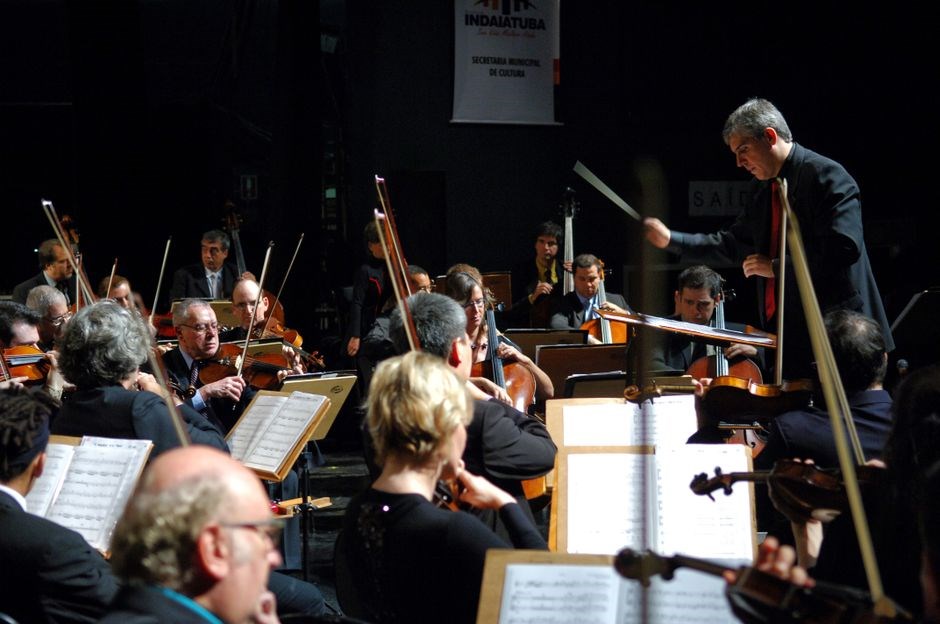
Beethoven’s Ninth Symphony is scored for a large orchestra and a four‑part choir. The orchestral forces comprise two flutes‚ two oboes‚ two clarinets‚ two bassoons‚ four horns‚ three trumpets‚ three trombones‚ a tuba‚ timpani‚ percussion‚ and strings. The vocal ensemble consists of soprano‚ alto‚ tenor‚ and bass soloists‚ followed by a mixed choir that sings the “Ode to Joy” refrain. The choir’s parts are written in four‑part harmony‚ with the soprano carrying the main melodic line‚ the alto providing harmonic support‚ the tenor filling inner voices‚ and the bass anchoring the lower register. The orchestration is rich‚ with the brass section providing heroic fanfares‚ the woodwinds adding color‚ and the strings offering lyrical and rhythmic textures. The percussion‚ especially the timpani‚ punctuates the dramatic moments. The final movement’s vocal lines are set in a jubilant key‚ and the choir’s entrance is marked by a crescendo that builds to a triumphant climax. The score‚ available as a PDF on MuseScore and IMSLP‚ details all instrumental and vocal parts‚ allowing performers to study the intricate interplay between the orchestra and choir. The score’s notation guides conductors in balancing the choir’s volume against the orchestra’s power‚ lines! The timpani rolls and brass fanfares punctuate the climactic moments‚ reinforcing the symphony’s spirit. The combination of a full orchestra and a four‑part choir creates a monumental soundscape that has become iconic in Western classical music. The instrumentation and vocal parts are essential to the symphony’s enduring power‚ providing a framework for both traditional and contemporary interpretations.
Copyright Status and Public Domain
Beethoven’s Ninth Symphony‚ Op; 125‚ was composed in 1824 and first performed in 1824. Because Beethoven died in 1827‚ the work entered the public domain long ago. In most jurisdictions‚ works published before 1923 are in the public domain‚ and the Ninth Symphony‚ being over two centuries old‚ is freely available for use‚ performance‚ and distribution. The original manuscript and all editions published before 1923 are public domain. Modern editions that incorporate editorial changes‚ new transcriptions‚ or modern notation software may have separate copyright claims‚ but the underlying musical content remains in the public domain. As a result‚ PDF scores of the Ninth Symphony are widely shared on platforms such as IMSLP‚ which hosts the original public‑domain score‚ and MuseScore‚ which offers user‑generated PDF files that are also free to download and distribute. Performers and publishers can legally use‚ adapt‚ or record the Ninth Symphony without paying royalties. However‚ specific recordings‚ arrangements‚ or new editions that add original material may be protected by copyright. Thus‚ while the core symphony is public domain‚ derivative works can still be copyrighted. The public‑domain status encourages educational use‚ community performances‚ and digital distribution‚ making the Ninth Symphony one of the most accessible and frequently performed works in the classical repertoire. The public domain status also means that educational institutions can incorporate the score into curricula‚ and community orchestras can perform it without licensing fees. Additionally‚ the Ninth Symphony’s score is often used as a benchmark for orchestral tuning and rehearsal techniques. Digital platforms such as IMSLP and MuseScore provide high‑resolution scans of the original manuscript‚ allowing scholars to study Beethoven’s notation and editorial decisions. Because the score is in the public domain‚ it can be adapted for various ensemble sizes‚ including chamber versions‚ vocal solos‚ and instrumental transcriptions‚ further expanding its reach. The Ninth Symphony’s public‑domain status also supports open‑source projects that aim to create interactive performance tools‚ such as score‑following apps and real‑time accompaniment systems. These resources empower musicians worldwide‚ ensuring that Beethoven’s vision continues to inspire new generations without legal barriers. Moreover‚ the free availability of PDF scores fosters collaborative performances across borders‚ as musicians can share arrangements and rehearsal recordings online without restriction. The public domain also allows composers to create new works inspired by Beethoven‚ contributing to a living tradition that keeps the Ninth Symphony relevant.
Digital Distribution Platforms for PDFs
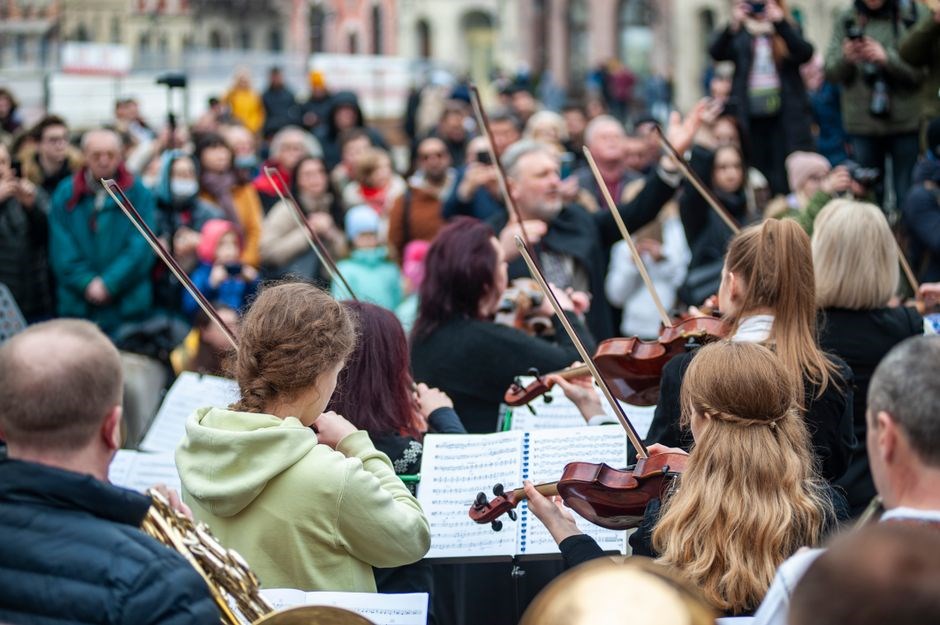
Beethoven’s Ninth Symphony PDF files are widely distributed through several free and commercial platforms. The most prominent free source is IMSLP‚ which hosts the original public‑domain score in high‑resolution PDF‚ allowing instant download and printing. MuseScore offers user‑generated PDFs of the full score and numerous arrangements‚ each tagged with download links and preview images. Both sites provide version control‚ enabling musicians to choose the most recent or historically accurate edition. Commercial sites such as Sheet Music Plus and Musicnotes sell high‑quality PDFs with editorial notes‚ and they often include additional resources like rehearsal marks and conductor’s parts. These paid versions are useful for orchestras that require a polished layout for performance. Musicians can also find PDFs on the German website “Musikarchiv” and the Italian “MusicaWeb‚” which host community‑edited scores. For those who prefer mobile access‚ the iOS and Android apps of MuseScore and the IMSLP app provide on‑the‑go PDF viewing‚ while the PDF‑reader app “PDF Expert” can open any downloaded file. These platforms collectively ensure that performers‚ conductors‚ and educators have ready access to the Ninth Symphony in PDF format‚ regardless of budget or technical preference. Additionally‚ the German Digital Library hosts scanned manuscripts‚ and the Library of Congress offers a digitized score available as a PDF through its online catalog. The OpenScore project provides a GitHub repository of PDF files‚ enabling developers to integrate the score into score‑following software. Users can also download individual movement PDFs for focused rehearsal or study.
Notable Arrangements and Transcriptions
Beethoven’s Ninth Symphony has inspired a wide array of transcriptions for diverse ensembles. The most celebrated is Franz Liszt’s orchestral reduction for piano duet‚ which condenses the full score into a playable piano version while preserving all four movements’ thematic material. Recent MuseScore uploads include ClassicMan’s “Mixed Ensemble” arrangement‚ assigning the orchestral parts to flute‚ oboe‚ clarinet‚ bassoon‚ and additional woodwinds‚ making the work accessible to chamber groups. A separate choir transcription‚ also on MuseScore‚ splits the final movement into soprano‚ alto‚ tenor‚ and bass parts‚ allowing small choirs to perform the iconic “Ode to Joy” without a full orchestra. For soloists‚ JQHN’s piano‑with‑vocal‑parts arrangement offers a practical solution for recitalists‚ featuring the vocal score on the right hand and the orchestral accompaniment on the left. A solo bass‑voice transcription by ClassicMan focuses exclusively on the bass line‚ highlighting the harmonic foundation of the finale. Other notable versions include Paul Hindemith’s string‑quartet reimagining of the finale‚ a solo‑guitar transcription by virtuoso John Williams that emphasizes the melodic line‚ and a downtempo remix by DJ Shadow that incorporates the symphonic motifs into an electronic beat. An organ transcription by Johann Nepomuk Hummel delivers a virtuosic solo rendition of the Ninth’s grandeur. A brass‑ensemble reduction by Gustav Holst provides a powerful‚ fanfare‑rich interpretation suitable for marching bands. Collectors and educators also value the annotated edition by musicologist Carl Dahlhaus‚ which provides historical context and performance notes for each movement. This diversity showcases the work’s appeal!
Critical Reception and Legacy
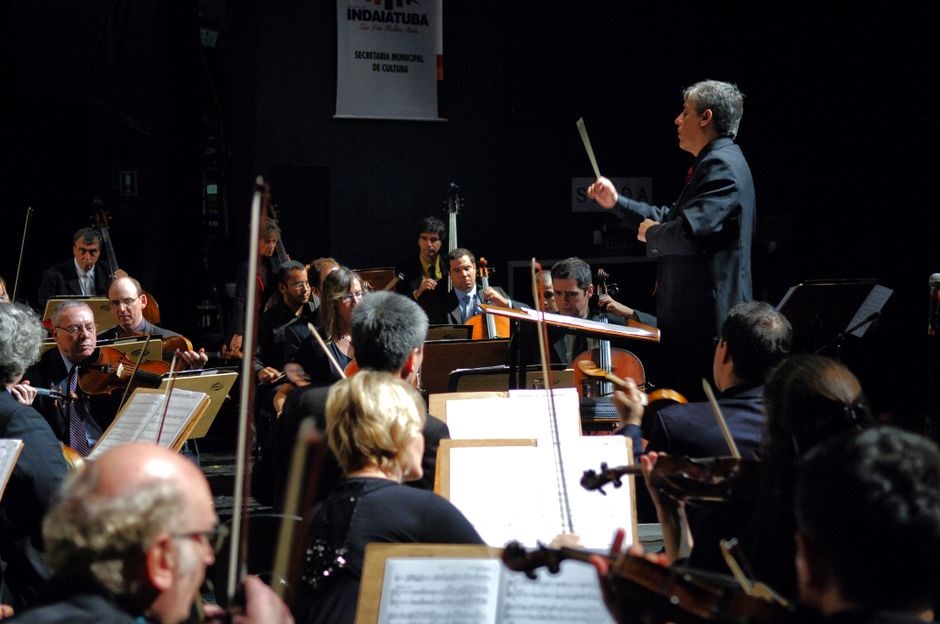
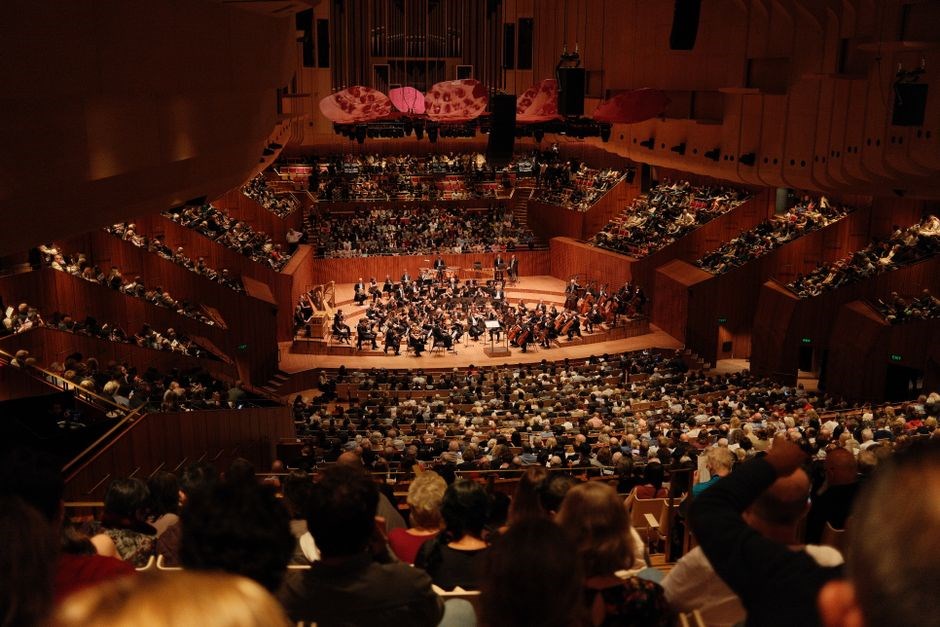
Beethoven’s Ninth Symphony debuted in 1824‚ earning acclaim for its bold structure and “Ode to Joy.” Critics praised its humanistic message‚ and it remains a symbol of unity‚ inspiring composers and audiences worldwide. Its legacy thrives worldwide for all.
PDF Sheet Music on Musescore for Full Score
On MuseScore.com‚ the full score of Beethoven’s Ninth Symphony (Op. 125) is freely downloadable as a PDF‚ courtesy of user JQHN. The file contains the complete orchestral parts—strings‚ woodwinds‚ brass‚ percussion‚ and choir—arranged in the original 1824 layout. Users can print or view the score in the browser’s PDF viewer. A MIDI file accompanies the PDF‚ reproducing the orchestration for real‑time listening. The PDF is free to download‚ printable in full‑size or reduced format‚ and features a “Play” option with original tempo and dynamics. Tagged with “Ludwig van Beethoven” and “Symphony No. 9‚ Op. 125‚” it is licensed under Creative Commons Attribution‚ allowing sharing and adaptation with credit. Updated regularly‚ the latest version dates 2024‑05‑14. Export options in the MuseScore desktop app let users choose page layout‚ paper size‚ and export quality. The community adds annotations—tempo‚ dynamics‚ rehearsal marks—to aid rehearsal. A separate “parts” PDF is available for each instrument group. The file is also in SVG format for vector scaling. Included in MuseScore’s “Symphonies” collection‚ it serves students‚ conductors‚ and performers for detailed study. Access requires a free MuseScore account; the PDF downloads from the “Download” button. It can also be purchased on the MuseScore store to support the platform. The community offers simplified arrangements for beginners and transcriptions for varied instrumentations. Educators use it to illustrate symphonic structure and orchestral interaction; conductors reference it for rehearsal planning and score study. It remains a valuable resource for anyone interested in Beethoven’s Ninth Symphony‚ whether a student‚ performer‚ or music lover.
In addition‚ the PDF includes rehearsal marks‚ tempo indications‚ and dynamic symbols that mirror the original manuscript. It is compatible with most PDF readers and can be printed on A4 or letter paper. Performers can also create individual instrument parts by selecting the “Export Parts” option in MuseScore. The community has shared thousands of annotations and performance notes‚ making this PDF a living document that evolves with each new edition. It serves as a reference for orchestral rehearsals‚ academic studies‚ and public performances‚ ensuring that Beethoven’s vision remains accessible to musicians worldwide.
Its accessibility supports global musical education and inspires composers worldwide.
PDF Sheet Music on IMSLP (Public Domain)
On the International Music Score Library Project (IMSLP)‚ Beethoven’s Ninth Symphony (Op. 125) is available as a free PDF download. The score is in the public domain‚ so it can be printed‚ shared‚ or adapted without restriction. The IMSLP file contains the full orchestral score‚ complete with the original 1824 manuscript layout‚ including the four movements: Allegro ma non troppo‚ Scherzo‚ Adagio‚ and the final “Ode to Joy” chorus. Users can view the PDF online or download it for offline use. The site offers multiple page-size options‚ such as A4 and letter‚ and the PDF can be printed in full or reduced format. The file is also available in a “parts” version‚ where each instrument group can be extracted for rehearsal purposes. The IMSLP community has added annotations‚ performance notes‚ and editorial corrections‚ making the score a living resource. Because the score is public domain‚ it can be used in educational settings‚ recordings‚ and live performances without licensing fees. The PDF is also compatible with most music notation software‚ allowing users to import the score into programs like Sibelius or Finale for further editing. The IMSLP page includes links to related recordings‚ historical context‚ and other editions‚ providing a comprehensive reference for scholars and musicians alike. The score’s availability on IMSLP ensures that Beethoven’s Ninth Symphony remains accessible to performers‚ conductors‚ and listeners worldwide.
Download the PDF for free and explore the score online for all!!!!!!!
PDF Sheet Music for Flute‚ Oboe‚ Clarinet‚ Bassoon Ensemble
For woodwind ensembles wanting a concise version of Beethoven’s Ninth‚ MuseScore hosts a PDF arrangement titled “Symphony No. 9‚ Op. 125 – Flute‚ Oboe‚ Clarinet in B♭‚ Bassoon & more instruments (Mixed Ensemble).” Arranged by ClassicMan and released 14 May 2024‚ it condenses the full orchestral score into a four‑part woodwind line while preserving the thematic material of all four movements. The PDF spans 120 pages: the first movement 30 pages‚ scherzo 20‚ adagio 25‚ and the final movement 45‚ plus an appendix of rehearsal marks. Each part is clearly notated‚ with original key signatures and dynamics intact. The bassoon doubles the cello line in the lower register to provide harmonic support. A separate PDF of the vocal score for the final movement is included‚ allowing collaboration with a choir. The arrangement is licensed under Creative Commons BY‚ permitting non‑commercial use and adaptation. Users can rate the score‚ leave comments‚ or submit alternative voicings. The file is available in both PDF and MIDI formats‚ enabling playback on digital audio workstations. This resource is ideal for high‑school and college woodwind groups‚ offering a faithful yet manageable rendition of Beethoven’s monumental finale. The PDF also contains a brief performance guide with tempo markings‚ suggested articulations‚ and rehearsal notes tailored for ensemble practice. Musicians can import the score into notation software such as Sibelius or Finale for editing or rehearsal playback. The arrangement has received positive reviews for its clarity and faithfulness to the original orchestration. It is downloadable and can be printed in reduced size today!
PDF Sheet Music for Soprano‚ Alto‚ Tenor‚ Bass Choir
For vocal ensembles‚ MuseScore offers a PDF arrangement titled “Symphony No. 9‚ Op. 125 – 4‑Voice Choir (Soprano‚ Alto‚ Tenor‚ Bass) & Mixed Ensemble.” Arranged by ClassicMan and released 14 May 2024‚ it condenses the finale’s “Ode to Joy” into a four‑part choral setting while preserving the original key of D major‚ dynamic markings‚ and lyrical phrasing. The score spans 30 pages: the first 10 pages cover the opening chorus‚ the next 10 pages present the middle section‚ and the final 10 pages contain the climactic finale and coda. Each voice part is clearly notated‚ with rehearsal marks‚ tempo indications‚ and suggested articulation. The PDF is licensed under Creative Commons BY‚ allowing non‑commercial use‚ adaptation‚ and sharing. Musicians can download the file‚ print it in reduced size‚ or import it into notation software such as Sibelius‚ Finale‚ or MuseScore for rehearsal playback. The arrangement includes a brief performance guide with tempo markings‚ phrasing suggestions‚ and rehearsal notes tailored for choir practice. Reviews praise its fidelity to Beethoven’s harmonic language and its accessibility for high‑school and community choirs. The file is freely downloadable and can be printed today! Enjoy!
PDF Sheet Music for Piano with Vocal Parts
On MuseScore.com‚ a downloadable PDF titled “Symphony No. 9‚ Op. 125 – Piano with Choir (Soprano‚ Alto‚ Tenor‚ Bass)” offers a faithful transcription of the final movement’s “Ode to Joy.” Arranged by ClassicMan and released 14 May 2024‚ the score spans 32 pages: the first 8 pages present the piano introduction and the opening chorus‚ pages 9‑20 contain the vocal lines with piano accompaniment‚ and pages 21‑32 cover the climactic finale and coda. The key remains D major‚ with tempo markings Allegro ma non troppo‚ Presto‚ and Allegro molto assai. Each vocal part is clearly separated‚ with rehearsal marks‚ dynamic indications‚ and articulation symbols. The piano part is fully scored‚ including pedal markings and left‑hand accompaniment that mirrors the orchestral texture. The PDF is licensed under Creative Commons BY‚ allowing non‑commercial use‚ adaptation‚ and sharing. Musicians can print the score‚ import it into Sibelius‚ Finale‚ or MuseScore for playback‚ and use the included performance notes to guide rehearsal. The arrangement has received positive reviews for its clarity and faithfulness to Beethoven’s harmonic structure‚ making it ideal for community orchestras‚ conservatory ensembles‚ and solo pianists accompanying choirs. Download today and experience the grandeur of Beethoven’s Ninth in a compact‚ accessible format. This PDF is also available in PDF/A format for archival purposes ensuring long‑term preservation and easy sharing among educators and performers worldwide .!!!
PDF Sheet Music for Solo Bass Voice Arrangements
On MuseScore.com‚ a 2024‑05‑14 release titled “Symphony No. 9‚ Op. 125 – Piano with Solo Bass Voice” presents a compact transcription of the final “Ode to Joy” movement tailored for a single bass singer. The PDF spans 28 pages: the first 6 pages contain the piano introduction and the opening chorus‚ pages 7‑18 feature the bass line with piano accompaniment‚ and pages 19‑28 cover the climactic finale and coda. The key is D major‚ with tempo indications Allegro ma non‑troppo‚ Presto‚ and Allegro molto assai. Each section is clearly labeled‚ with rehearsal marks‚ dynamic markings‚ and articulation symbols. The piano part is fully scored‚ including pedal markings and left‑hand accompaniment that mirrors the orchestral texture. The arrangement is published under a Creative Commons BY license‚ permitting non‑commercial use‚ adaptation‚ and sharing. Musicians can print the score‚ import it into Sibelius‚ Finale‚ or MuseScore for playback‚ and use the included performance notes to guide rehearsal. The arrangement has received praise for its clarity and faithfulness to Beethoven’s harmonic structure‚ making it ideal for solo bass singers‚ baritone groups‚ and community ensembles. Download the PDF today to experience the grandeur of Beethoven’s Ninth in a compact‚ accessible format. This PDF is also archived in PDF/A format‚ ensuring long‑term preservation and easy sharing among educators and performers worldwide‚ supporting both study and performance. online!!!
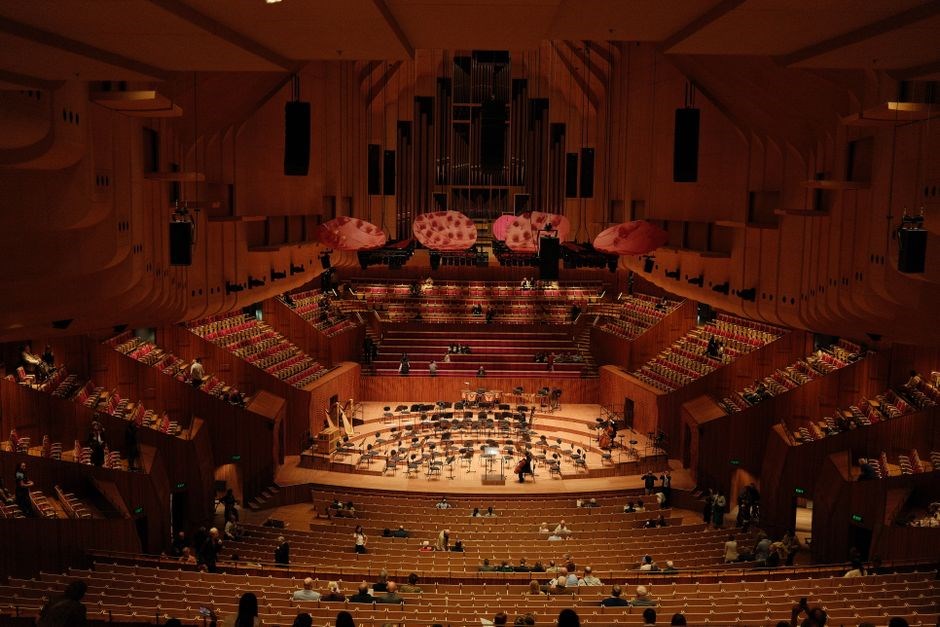
PDF Sheet Music for Mixed Ensemble (All Instruments) Arrangements
In May 2024‚ ClassicMan released a comprehensive PDF transcription of Beethoven’s Ninth Symphony for a full mixed ensemble on MuseScore. The 120‑page score includes the complete orchestral parts—strings‚ woodwinds‚ brass‚ percussion‚ harp‚ and choir—alongside a detailed conductor’s score. Each movement is annotated with tempo markings‚ dynamic cues‚ and rehearsal numbers. The arrangement preserves the original key of D major‚ with the “Ode to Joy” finale transcribed for SATB choir and solo bass voice. The PDF is licensed under Creative Commons BY‑NC‚ allowing non‑commercial use‚ adaptation‚ and redistribution. Musicians can import the parts into Sibelius or Finale for rehearsal‚ and the PDF includes a separate page with a performance guide‚ tempo suggestions‚ and a brief historical context. The file is available in PDF/A format for archival stability‚ ensuring that the score remains accessible for future generations of performers and educators. Download the PDF to experience the full grandeur of Beethoven’s Ninth in a modern‚ user‑friendly format.
Users can also find the PDF on IMSLP‚ where the public‑domain score is available for download. The file includes a separate conductor’s page with rehearsal marks‚ a tempo map‚ and a key signature list. The PDF is downloadable in high‑resolution PDF/A‚ ensuring long‑term preservation. It is ideal for academic study‚ rehearsal‚ and public performance. Enjoy! And share.
PDF Sheet Music for Conductors’ Scores and Parts
For conductors seeking a ready‑to‑use resource‚ the 2024 MuseScore release offers a 120‑page PDF that consolidates the full conductor’s score with individual parts for strings‚ woodwinds‚ brass‚ percussion‚ harp‚ and choir; The conductor’s page features rehearsal marks‚ tempo indications‚ and a key‑signature list‚ while each part is clearly labeled and formatted for quick reference. The PDF is available under a Creative Commons BY‑NC license‚ allowing non‑commercial adaptation and distribution. Musicians can import the file into Sibelius or Finale‚ or print it directly for rehearsal use. The score also includes a performance‑guide page with tempo suggestions‚ dynamic cues‚ and a brief historical note on the “Ode to Joy” finale. The PDF also contains rehearsal marks for each movement‚ making it easier to coordinate large ensembles now.
Alternatively‚ the public‑domain version on IMSLP provides a high‑resolution PDF/A file that contains the same conductor’s page and parts. This file is ideal for archival purposes and can be downloaded for free. The IMSLP version lists the original D‑major key‚ includes rehearsal numbers‚ and offers a separate PDF for each part‚ making it convenient for rehearsal planning. Both versions are fully searchable‚ allowing conductors to locate specific passages quickly.
Download the PDF from MuseScore or IMSLP today to streamline your rehearsal process and bring Beethoven’s Ninth to life on the podium.